OpinionOur view
Umrah pilgrims stranded in Saudi Arabia need a state that answers, and operators who are bound to bring them home
Houthi strikes have shut Riyadh's airport and Indian airlines have suspended Saudi flights. Elderly pilgrims are paying for a gap in the rules: Haj is tightly organised by the state, Umrah is left almost entirely to private operators.
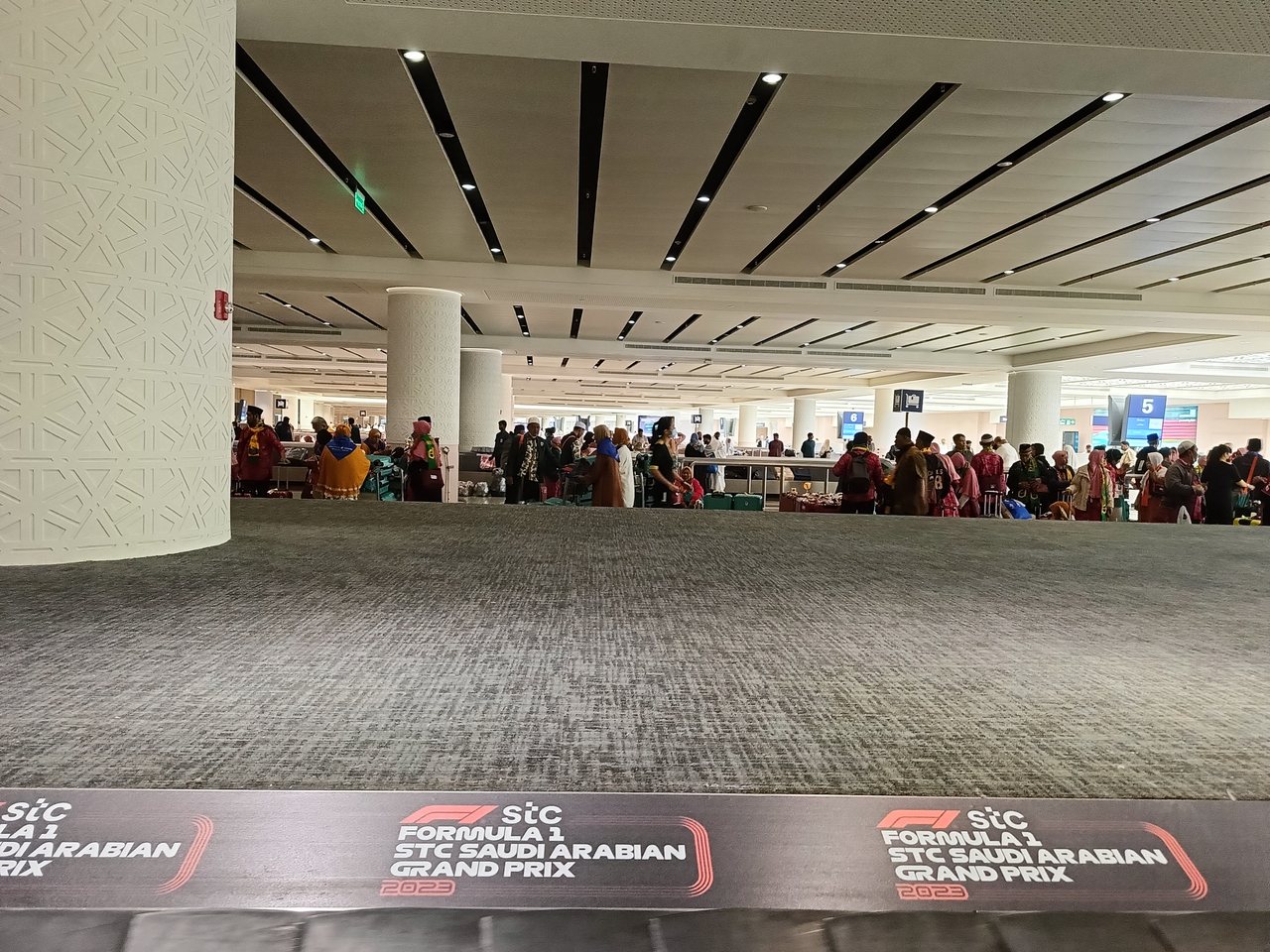
Indian Muslims travel in large numbers to Makkah and Madinah for Umrah, the pilgrimage that can be made at any time of year. This October, many of them cannot get home.
Houthi missile and drone strikes on Saudi Arabia have closed Riyadh’s international airport and thrown the kingdom’s air travel into disorder. Six Indians were injured in the attack on the airport on 10 October. Indian carriers pulled out: Air India and Air India Express suspended all their Saudi routes, and IndiGo has suspended its flights until 24 October. The Indian embassy in Riyadh has warned intending pilgrims to “account for airport disruptions and possible flight cancellations, which could result in extended stays”.
For those already there, the warning came too late.
Left with no one to call
Rajya Sabha MP Mansoor Ali Khan has written to External Affairs Minister S Jaishankar and Minority Affairs Minister Kiren Rijiju describing pilgrims, many of them elderly or unwell, stuck with dwindling money. Some private tour operators, he says, have run out of funds and stopped answering. Pilgrims risk overstaying their visas and running into trouble with Saudi law. He asked for food, shelter, medical care, legal help and an early, organised return.
The government’s visible response so far is an extra control room in Makkah set up by the consulate in Jeddah. That is useful. It is not a plan. Nor has the government publicly answered the MP’s letters.
The fair objection
India did not cause this crisis, and it cannot open Saudi airports. Some flights do still run: Saudia operates from Jeddah, Madinah and Dammam, and Gulf carriers fly via Bahrain, Kuwait and Qatar for those who can get visas. Airlines are right not to fly into airspace under missile attack. And pilgrims choose their operators.
All true. But a 70-year-old who paid a travel agent in Hyderabad or Lucknow for a package does not have the means to rebook through Doha. That is precisely the person the consulate exists for.
What should be done
First, the Ministry of External Affairs should say plainly how many Indian Umrah pilgrims are stuck, where, and how they will be brought home. If commercial seats on Saudia and the Gulf carriers are not enough, the government should charter flights from Jeddah and Madinah, as it has done in past crises, and recover costs from defaulting operators later.
Second, the embassy should take up with Saudi authorities a blanket extension or waiver for pilgrims whose visas lapse because their flights were cancelled. No pilgrim should face a fine or detention for a war they had nothing to do with.
Third, the larger gap must be closed. Haj is organised through a state framework, with quotas, registered operators and the Haj Committee. Umrah, which goes on all year, is left largely to private agents. Umrah operators should be registered, should declare who they are carrying and where, and should post a bond or insurance that guarantees their customers a return ticket if they go bust or flights stop.
Faith takes people to Makkah. Getting them home safely, when war intervenes, is the state’s job.